Industrial Applications

Biological Solutions for Organic Material Management

Alisra applies microbial biology to help industries manage and biologically process manure, agricultural residues and other biodegradable organic materials.

Our microbial technologies target complex organic fractions including cellulose, lignin, starch, proteins and lipids, supporting biological decomposition across a range of agricultural and industrial systems.

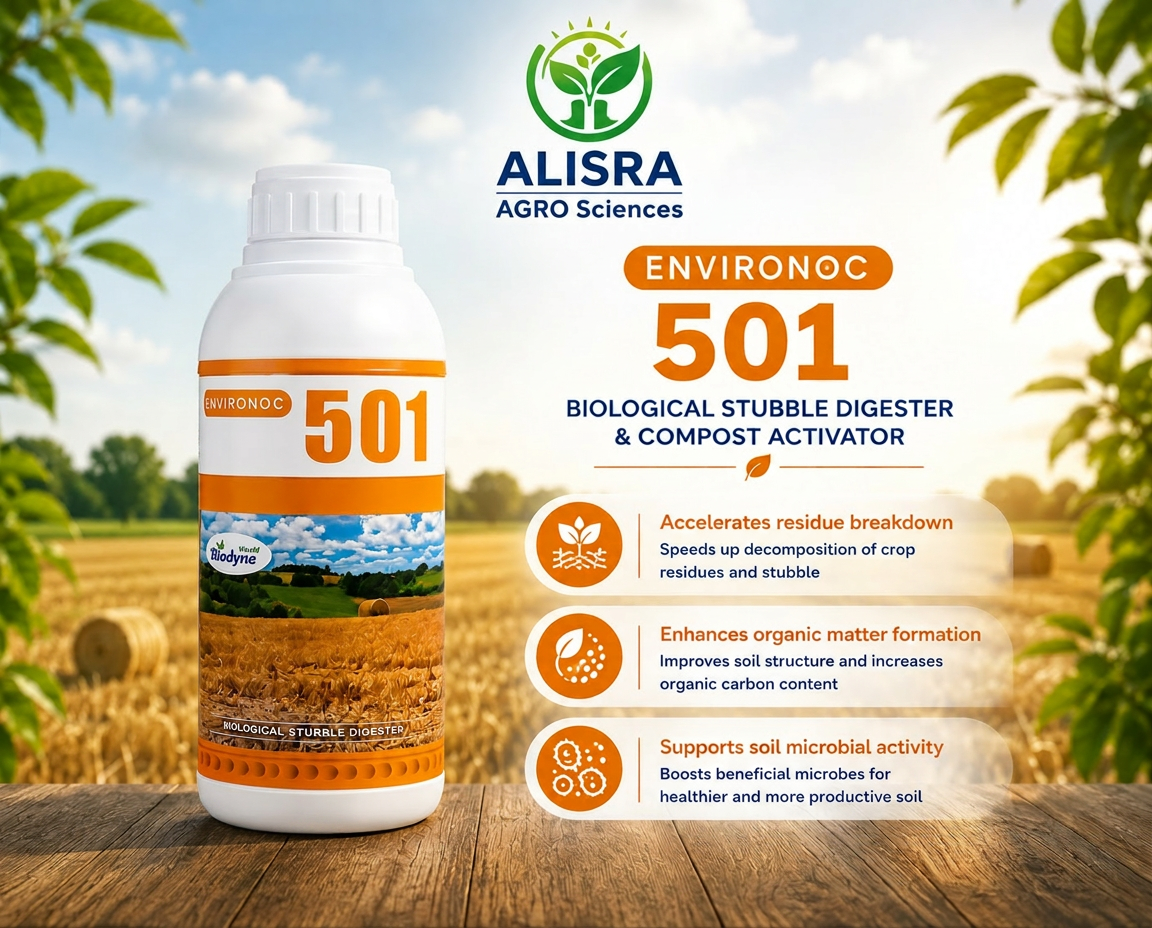
Environoc 501 biological decomposition technology
Where It Applies

Four industrial pathways for biological decomposition.

Biogas Feedstock Pretreatment
Environoc® 501
Application 01

Biogas Feedstock Pretreatment

Biological Feedstock Pretreatment

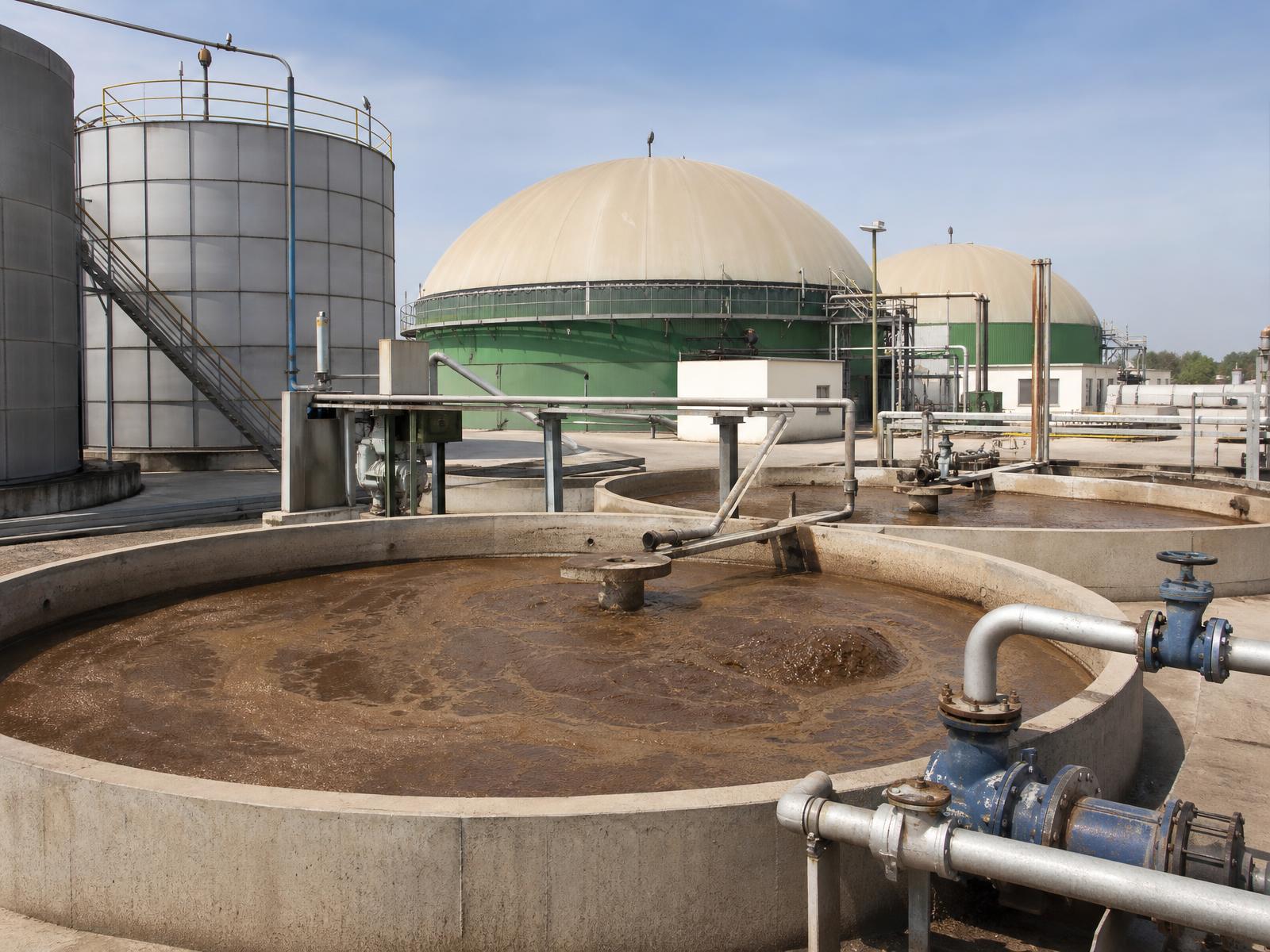
Support the biological breakdown of complex organic feedstocks associated with anaerobic digestion.

Environoc® 501 provides microbial decomposition capability targeting multiple complex organic fractions within organic feedstocks. It does not replace the natural anaerobic microbial community, nor is it a methanogenic inoculum.

Relevant feedstocks
  • Cow dung and animal manure
  • Agricultural biomass
  • Organic agricultural residues
  • Other biodegradable feedstocks
CelluloseLigninStarchProteinsLipids
Process
  1. Organic Feedstock
  2. Biological Treatment / Pretreatment
  3. Anaerobic Digestion
  4. Biogas + Digestate
Application Approach

Application rates and dosing protocols are determined according to feedstock characteristics, daily throughput, digester configuration, retention time and treatment objective.

For continuous biogas operations, Environoc® 501 can be incorporated through a tailored biological treatment program rather than applying a standard composting dose to every metric ton of feedstock.

The treatment approach may consider:
  • Daily feedstock tonnage
  • Type and composition of feedstock
  • Digester capacity
  • Hydraulic/solids retention time
  • Existing biological process
  • Feedstock preparation system
  • Point of application
  • Desired decomposition objective

Where appropriate, a program may distinguish between initial biological loading and ongoing maintenance dosing to optimize microbial input and treatment economics.

Discuss Your Feedstock & Digester

Biogas systems vary significantly by feedstock, throughput and digester design. Contact Alisra to develop an application approach appropriate for your operation.
Dairy & Manure Management
Environoc® 501
Application 02

Dairy & Manure Management

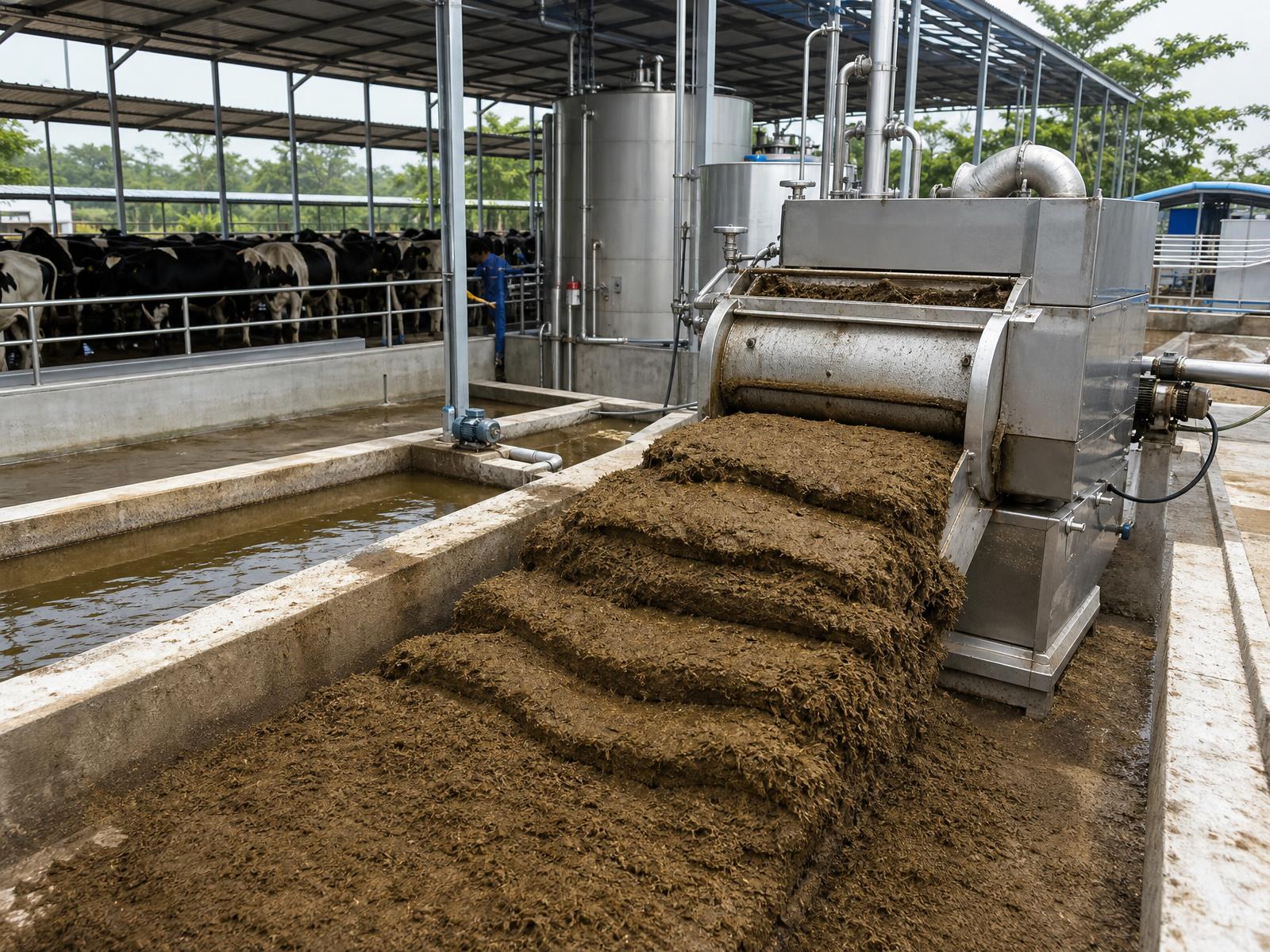
Biological decomposition for high-volume animal manure.

Environoc® 501 contains a diverse microbial consortium capable of targeting several major organic fractions found within manure.

Applications
  • Cow dung decomposition
  • Dairy manure management
  • Farmyard manure
  • Manure preparation for composting
  • Manure preparation for biological digestion
  • Organic fertilizer production
CelluloseLigninStarchProteinLipids
Sugar Industry & Organic Residues
Environoc® 501
Application 03

Sugar Industry & Organic Residues

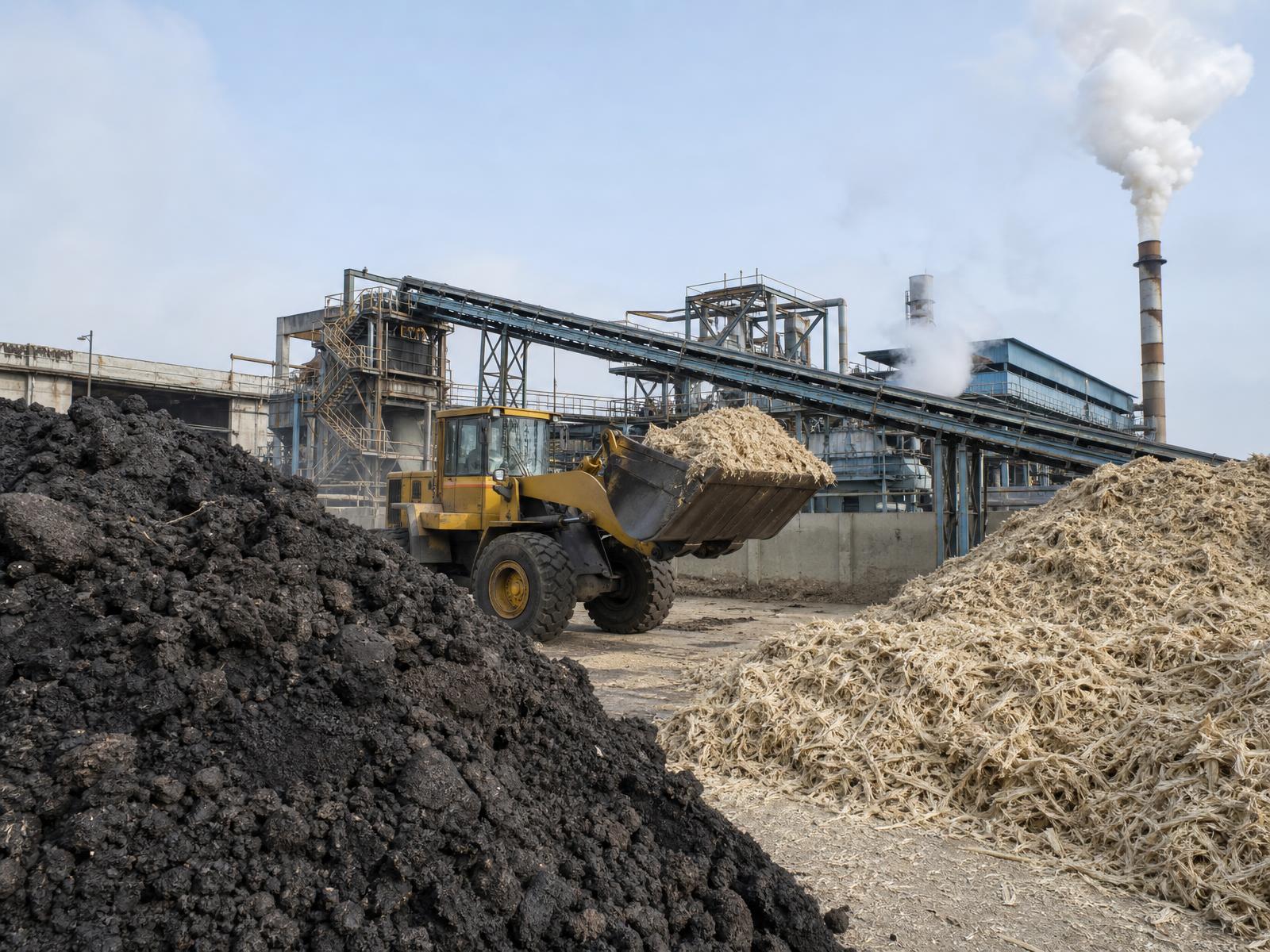
Biological processing of agricultural and sugar-industry organic residues.

Environoc® 501 is positioned for the biological decomposition of suitable biodegradable residues generated around sugarcane production and processing, drawing on its cellulose- and lignin-degrading microbial activity.

Potential applications
  • Press mud / filter cake
  • Sugarcane residues
  • Organic processing residues
  • Compost production
  • Agricultural biomass
CelluloseLignin
Commercial Composting
Environoc® 501
Application 04

Commercial Composting

Microbial biology for large-scale organic decomposition.

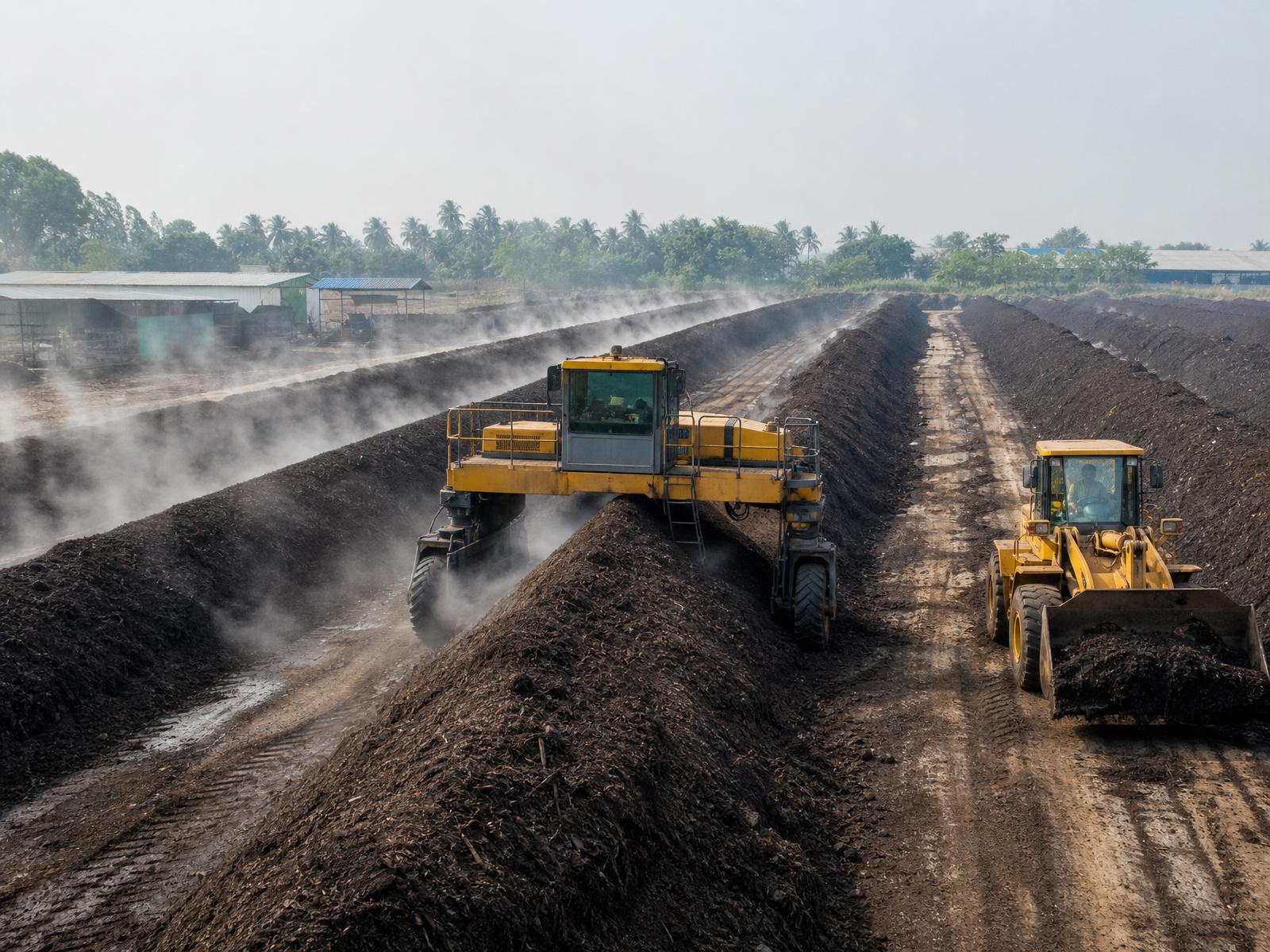
Environoc® 501 supports biological decomposition across commercial composting systems, and is positioned for commercial operators handling large and continuous organic material volumes.

Materials processed
  • Animal manure
  • Farmyard manure
  • Crop residues
  • Agricultural biomass
  • Biodegradable organic material
Technology

One consortium. Multiple decomposition pathways.

Environoc® 501 uses a diverse microbial consortium rather than relying on a single microorganism or a single decomposition pathway. Different organic fractions require different biological activity — the consortium is built to act across several of them.

Cellulose
Biological Decomposition
Lignin
Biological Decomposition
Starch
Biological Decomposition
Proteins
Biological Decomposition
Lipids
Biological Decomposition
Where Environoc® 501 Fits

A biological decomposition technology — not only a composting product.

Before Biological Processing
Organic Material
Environoc® 501
Biological Decomposition / Pretreatment
Downstream Utilization
Biogas Feedstock
Composting
Organic Fertilizer
Residue Management

The same biological decomposition step feeds several downstream routes, which is why Environoc® 501 is applicable across agricultural and industrial organic material systems.

Industrial Scale Application

Conventional organic-material decomposition and composting are dosed by the quantity of material being treated.

Recommended Application — Organic-Material Decomposition & Composting
1 L Environoc® 501
per metric ton of organic material

For biogas feedstock pretreatment, dosing is plant-specific and developed with Alisra based on feedstock, throughput and digester design.

The 1 L/MT rate applies to conventional organic-material decomposition and composting applications. Application methodology can be adapted to the material, moisture conditions, handling system and process in use at the site.

For industrial and continuous-use operations — including biogas plants — contact Alisra for application planning and volume requirements.